




Recyclable food packaging materials: seven lines, labelled honestly
So we make both, and we label both honestly. Nothing on this page is described as eco-friendly or sustainable. Each line states what it actually is and where it actually goes.
Seven lines that are not compostable, and why we still make them
A compostable-only catalogue sounds better than it works. A hotel needs foil pans that go in an oven. A deli needs a container a customer will wash and keep. A kitchen needs cling film. None of those jobs has a compostable answer that performs, and pretending otherwise sends the buyer to a supplier who will sell them the plastic anyway, alongside everything else.
Polypropylene (PP)
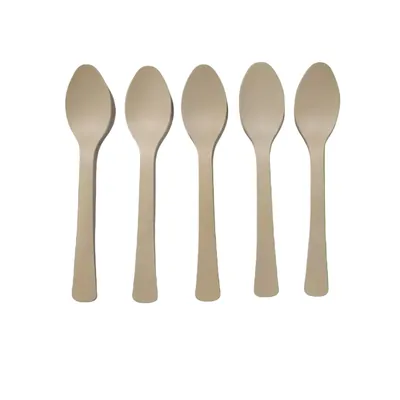
Rigid, microwave and dishwasher safe, and built to be washed and reused rather than binned after one meal. Mineral-filled MFPP for clamshells that will not sag under a hot load.
- End of life: Recyclable #5 · genuinely reusable
- Made into: Cutlery, water cups, portion cups, deli and takeout containers, hinged clamshells
PET
The most widely accepted plastic in kerbside recycling worldwide. Shatterproof and optically clear, which is why cold drinks sell through it.
- End of life: Recyclable #1, accepted almost everywhere
- Made into: Cold cups, lids, clamshells
Polystyrene (PS)
The value line, labelled plainly. Rigid heavy-duty cutlery where cost decides and volume is high.
- End of life: Code #6: check local acceptance. Many kerbside programmes do not take it
- Made into: Heavy-duty rigid cutlery
Aluminium
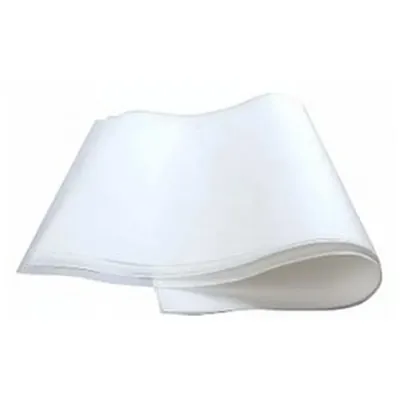
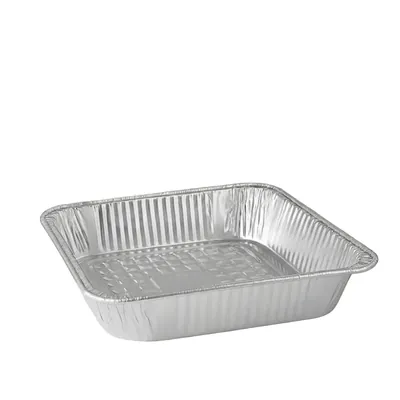
Goes from freezer to oven with no coating and no lining. Recycles without losing quality, using roughly 95% less energy than new metal. The same aluminium comes back as a new pan.
- End of life: Infinitely recyclable via a metals stream · never microwave
- Made into: Foil rolls and sheets, pop-up sheets, pans and lids
HDPE / LDPE
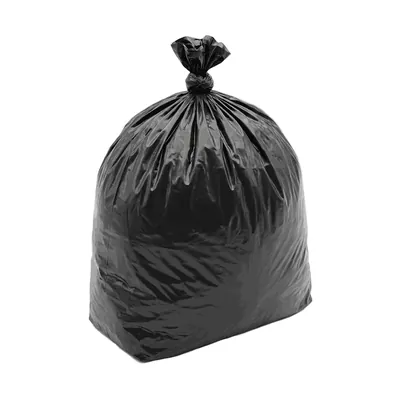
Carry bags and liners gauged to be reused rather than binned after one trip. Film is recyclable but almost never kerbside: it wraps around sorting machinery and jams it.
- End of life: Store drop-off collection, not kerbside
- Made into: Carry bags, trash can liners, transparent gloves
Films
Commercial cling wrap in cast film rather than blown: better clarity, far better cling, and a kitchen that does not double-wrap every pan.
- End of life: PVC. Not compostable and not kerbside recyclable. The one line we make no environmental claim about
- Made into: Foodservice cling wrap, food pan liners
Nitrile Gloves
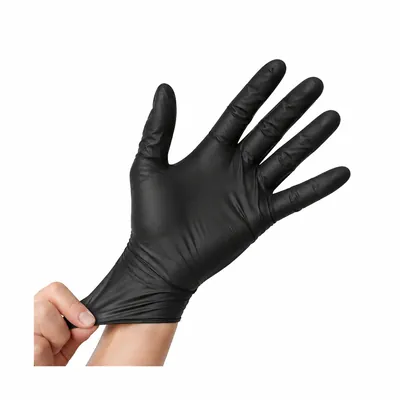
No latex proteins and no powder transfer. Blue is the food industry standard because it does not occur naturally in food, so a torn fragment is visible.
- End of life: General waste: no recycling stream exists for used food-handling gloves
- Made into: 4 and 5 mil, black and blue, S to XL
Recyclable does not mean recycled
A recycling code on the base tells you what a product is made of. It does not tell you whether your local facility accepts it, and the gap between those two things is where most environmental claims quietly fail.
Widely accepted
PET #1 and PP #5 are taken by most kerbside programmes in most developed markets. Aluminium is accepted essentially everywhere and is worth money to the recycler, which is why it actually gets recycled.
Frequently not
PS #6 is refused by many programmes. Polyethylene film jams sorting machinery, so it goes to store drop-off rather than kerbside. PVC cling film has no consumer route at all.
We publish this because an importer who tells their customers “fully recyclable” and is then challenged has a problem, and it started with a supplier who was vague. Ask us what a line actually does in your market and we will tell you, including when the answer is unhelpful.