




Polypropylene (PP): what it is and where it fits.
Food-grade plastic for containers and cutlery that are meant to be used more than once. Recyclable where PP is collected.
What is it?
Virgin food-grade polypropylene, BPA-free.
How is it manufactured?
Containers and cutlery are injection moulded; cups and some lids are thermoformed from sheet. Pieces are trimmed and stacked, and container lids are checked for fit so they close and stack.
Applications
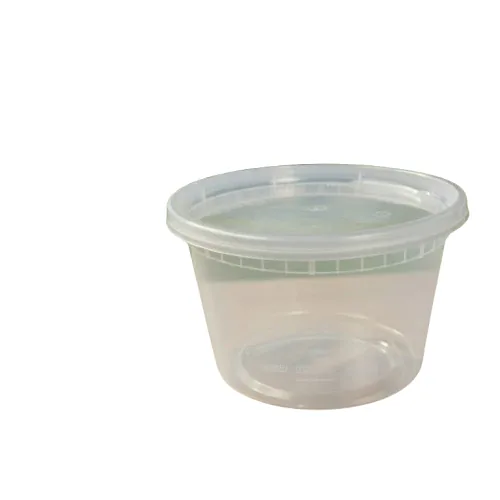
Round deli containers with lids, portion and soufflé cups with lids, salad bowls, cold cups, and heavy-duty forks, knives, spoons and cutlery kits.
Performance
Microwave safe, suitable for hot food and dishwasher durable, so containers can be reused many times over. Lids snap on for transport, and the translucent body lets staff see the contents at a glance.
Sustainability profile
The reuse life is the sustainability argument: a container used fifty times does the work of fifty single-use pieces.
End of life
Recyclable as #5 where PP is collected; rinse it and take the lid off. Designed for reuse first.
Certifications and standards
Food-grade, BPA-free. Documentation on request.
Suitability
Reusable service programmes, meal prep, hot food takeaway, sauces and sides, and institutional catering.
Limitations
Not compostable, and we do not present it as such. Carried because reuse is often the better answer.
Bollant products in this material
Polypropylene runs through Containers and food boxes, Cups, lids and straws and Cutlery. Each product page lists the case specification; request the SKU workbook for per-item figures.
Questions, answered
Common questions on this material are covered in the FAQ, and the composting guide sets out end-of-life routes material by material.