

Bagasse
- Hot meals, soups, curries and fried food
- Plates, bowls, clamshells and trays
- Where grease and steam would soften paper
By range
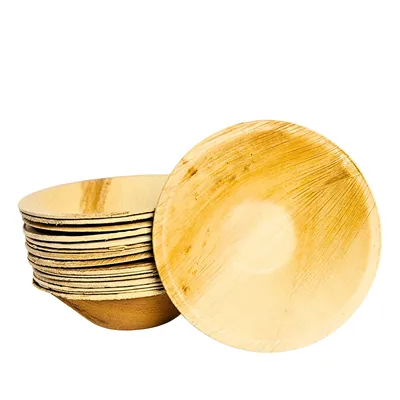 Plates & bowlsBagasse, palm leaf and sal leaf
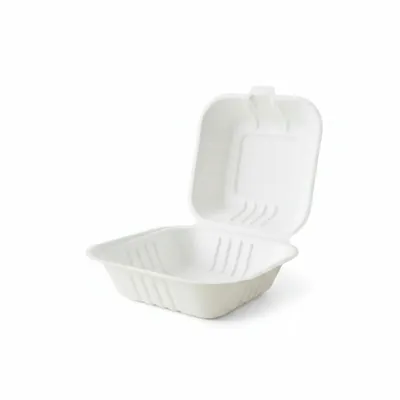 Trays & clamshellsClamshells, palm leaf trays, food boats
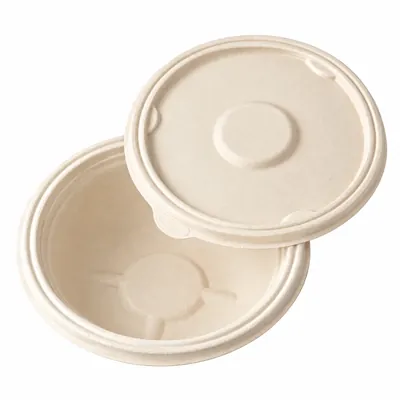 Containers & food boxesTakeout boxes, food tubs, deli cups
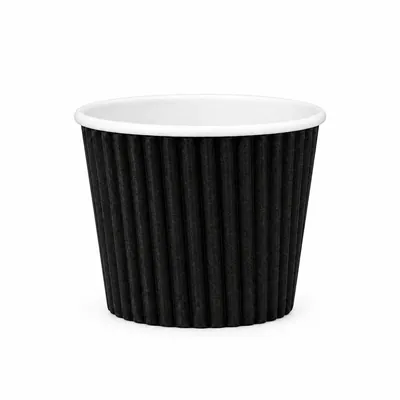 Cups, lids & strawsHot cups, cold cups, lids, straws
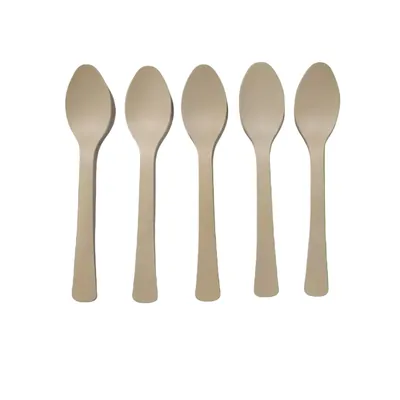 CutleryWooden, CPLA and plastic, loose or kits
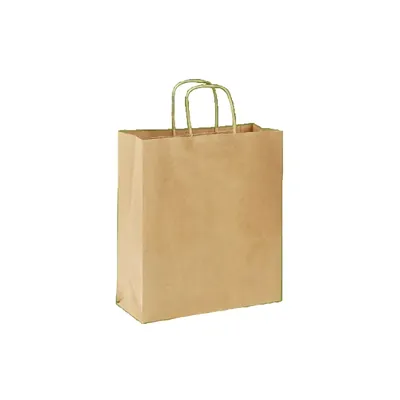 Paper bagsKraft SOS and handle shopping bags
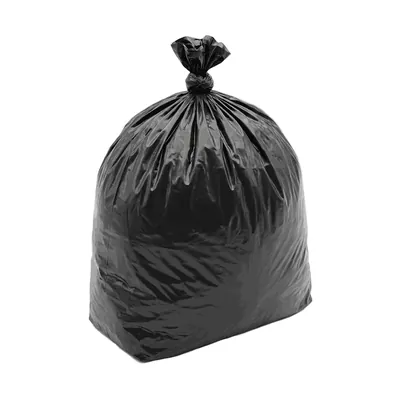 Liners & T-shirt bagsCan liners, garbage bags, T-shirt bags
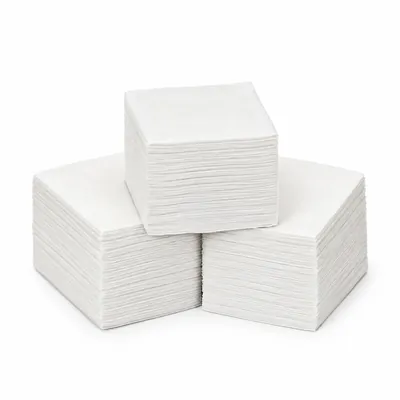 Napkins & tissuesNapkins, paper towels and tissues
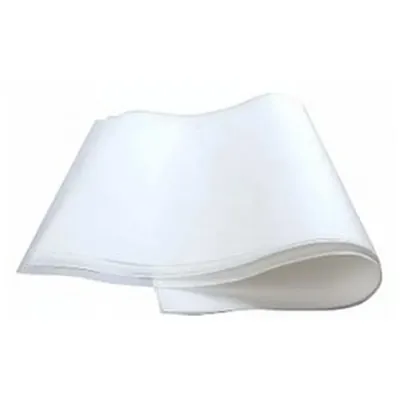 Deli sheets & wrapsDeli sheets and grease-proof wraps
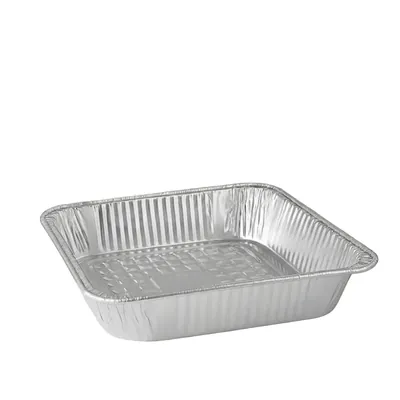 Aluminium foilFoil pans, lids and rolls
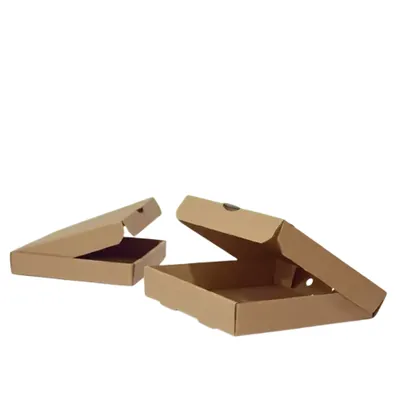 Bakery packagingPizza boxes and bakery packaging
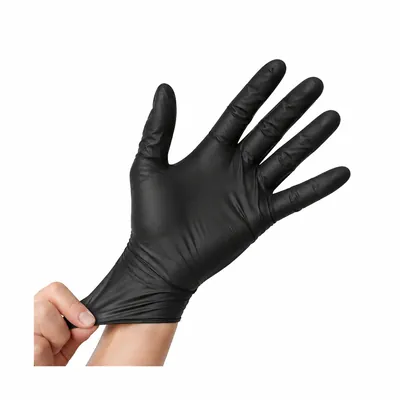 Gloves & kitchen wearNitrile, vinyl and latex gloves, hairnets
Shop by food
Built around your business, not our catalogue: the complete packaging and disposables kit for your operation, from one supplier.

Made in India. Supplied worldwide: full containers FOB India to every market, and US orders from our Hayward, CA and Baltimore, MD warehouses.
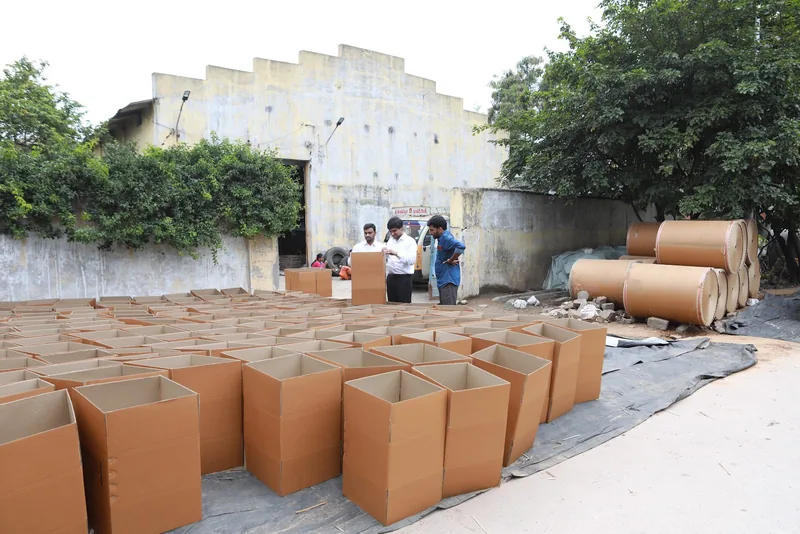 Made in India. Supplied worldwide.
From raw material to a container on the water, the Bollant Group runs the whole chain rather than handing it between vendors.

Bollant Foods Pvt. Ltd. was built to prove two things at once: that agricultural by-products can replace plastic, and that the people most often excluded from industry can lead it.

By range
Plates & bowlsTrays & clamshellsContainers & food boxesCups, lids & strawsCutleryPaper bagsLiners & T-shirt bagsNapkins & tissuesDeli sheets & wrapsAluminium foilBakery packagingGloves & kitchen wearCleaning & hotel amenitiesShop by food
Burgers & sandwichesPizzaFries & snacksSalads & bowlsSoup & noodlesCoffee & cold drinksIce cream & dessertsBakeryBy application
FoodservicePackagingRestaurant suppliesProfessional careMaterials & tools
Materials libraryFind your kitCompare materialsContainer calculatorSample kitBoth start as plants and both can be composted under the right conditions, but they do different jobs. Here is which fits which food, drink and disposal route.

Bagasse is moulded sugarcane fibre: opaque, and suited to hot, wet and oily food. PLA is a clear plant-based resin for cold food and drinks, and CPLA is its heat-tolerant form, used for cutlery. Both can be composted, but PLA and CPLA only in a commercial facility, so the right choice depends on the food, the temperature and where the item ends up.
| Property | Bagasse | PLA | CPLA |
|---|---|---|---|
| What it is | Fibre left after sugarcane is crushed, moulded under heat and pressure | Clear resin made from plant sugar, typically corn starch | PLA crystallised for higher heat tolerance |
| Look | Opaque, natural off-white to light brown | Clear, with excellent clarity for display | Opaque |
| Hot food | Suited to hot, wet and oily food | Cold use only: it is not heat stable and will deform | Tolerates more heat than PLA |
| Grease | Grease resistance comes from the fibre; the bagasse range is tested PFAS-free | Does not absorb grease | Does not absorb grease |
| End of life | Compostable, to ASTM D8410 and EN 13432 where held | Industrially compostable only, to ASTM D6400 and EN 13432 where held | Industrially compostable only, to the same standards |
| Home compost bin | Standard and timeframe stated per product on the certificate | Will not break down in a home compost bin | Will not break down in a home compost bin |
| In our catalogue | Plates and bowls, clamshells and trays, takeout containers, cup lids | PLA straws | CPLA cutlery and kits |
General guide. Certification scope is confirmed per product on the certificate issued with your order.
State the material and the compostability standard on every listing. Check which items your local composting programme accepts before you switch. Test a hot dish in a sample before you order a container.
Describing PLA as home compostable. Serving hot drinks or hot food in standard PLA. Putting compostable plastics in plastics recycling unless the local programme asks for it. Using "biodegradable" without a standard and a timeframe.
No. Standard PLA is for cold use only; it is not heat stable and will deform. Use bagasse or paper for hot food and paper cups for hot drinks. CPLA tolerates more heat and is used for cutlery.
No. PLA is industrially compostable only. It needs a commercial composting facility at sustained temperature and will not break down in a home compost bin.
Yes. Grease resistance comes from the fibre, not from an added fluorochemical barrier, and the bagasse range is tested PFAS-free. Certificate and test report copies are confirmed per product.
ASTM D8410 covers moulded fibre such as bagasse; ASTM D6400 covers compostable plastics such as PLA and CPLA; EN 13432 is the European standard for both. We state the standard per product, never as a blanket claim.