






Plant-Based PLA & CPLA: what it is and where it fits.
Plant-based resin for straws and cutlery. Industrially compostable only, and we say so on every listing.
What is it?
Plant sugar, typically from corn starch, is fermented into lactic acid and polymerised into a resin. CPLA is the same resin crystallised to raise its heat tolerance.
How is it manufactured?
Standard PLA is extruded or formed into straws and similar cold-use items. For cutlery, the resin is crystallised into CPLA and injection moulded, which gives a stiffer piece that copes with warmer food.
Applications
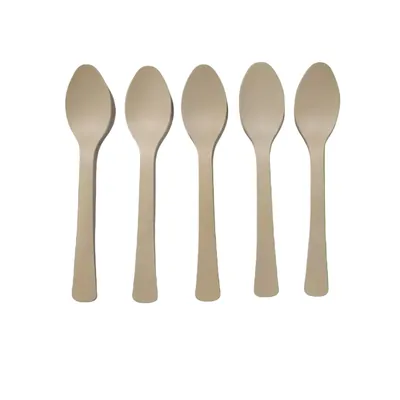
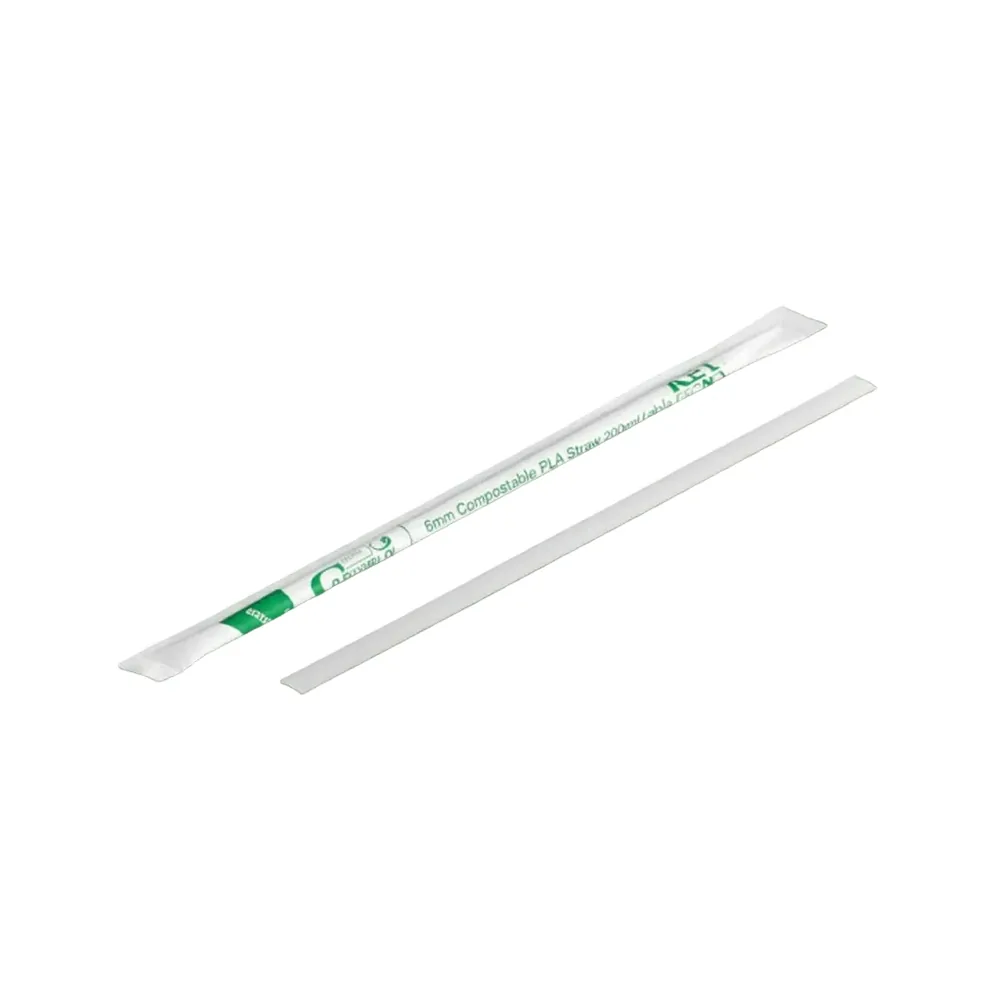
PLA straws, wrapped or unwrapped, and CPLA forks, knives, spoons and cutlery kits.
Performance
Standard PLA is for cold use only: it is not heat stable and will deform. CPLA tolerates more heat and is rigid enough to replace plastic cutlery.
Sustainability profile
Made from annually renewable plant feedstock rather than petroleum.
End of life
Industrially compostable only, approximately 90 to 180 days in a commercial facility, as set out in our composting guide. It will not break down in a home compost bin; check that a facility exists where your customers are.
Certifications and standards
ASTM D6400 and EN 13432 where held. Certificate copies on request.
Suitability
Cold beverages, takeaway cutlery where plastic is restricted, and markets with commercial composting collection.
Limitations
The home-versus-industrial distinction causes more downstream buyer complaints than any other material in this catalogue. Never let a listing describe PLA as home compostable.
Bollant products in this material
PLA straws sit in the Cups, lids and straws range and CPLA cutlery in the Cutlery range. Each product page lists the case specification; request the SKU workbook for per-item figures.
Questions, answered
Common questions on this material are covered in the FAQ, and the composting guide sets out end-of-life routes material by material.