




Sal leaf plates and bowls: what the material is and where it fits
Compostable. Documented the same way as every other line in the catalogue.

What is it?
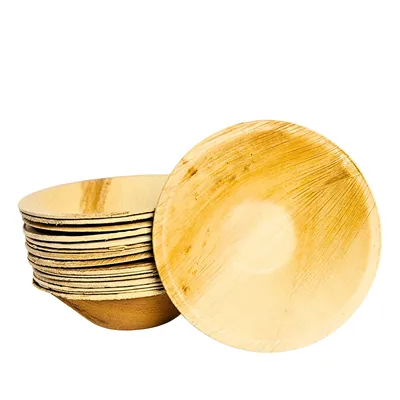
Broad sal leaves gathered from Indian forests by local and often tribal collectors: forest income without felling a single tree.
How is it manufactured?
Leaves are cleaned, layered and stitched with food-grade thread, reinforced with a recycled kraft-board liner, then heat-pressed to rigidity.
Applications
Plates and bowls, 7″–12″ round, hand-stitched.
Performance
Microwave safe on short cycles; good grease and liquid resistance for its weight.
Sustainability profile
Forest-gathered rather than farmed; provides non-timber forest income.
End of life
Home compostable, approximately 60–90 days.
Certifications and standards
Certificate copy on request.
Suitability
Traditional and regional food service, events, buffet and catering formats.
Limitations
Hand-stitched, so visible variation between pieces. Lighter duty than areca for very heavy or very wet dishes.
Bollant products in this material
See the full catalogue, or request the SKU workbook for per-item specifications.
Questions, answered
Common questions on this material are covered in the FAQ, and the composting guide sets out end-of-life routes material by material.