





Birchwood cutlery material: what it is and where it fits
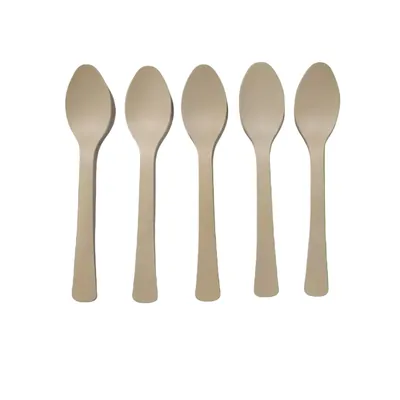
Forks, knives and spoons made from thin birch veneer: rigid, light and smooth to the mouth, with no plastic in the piece.
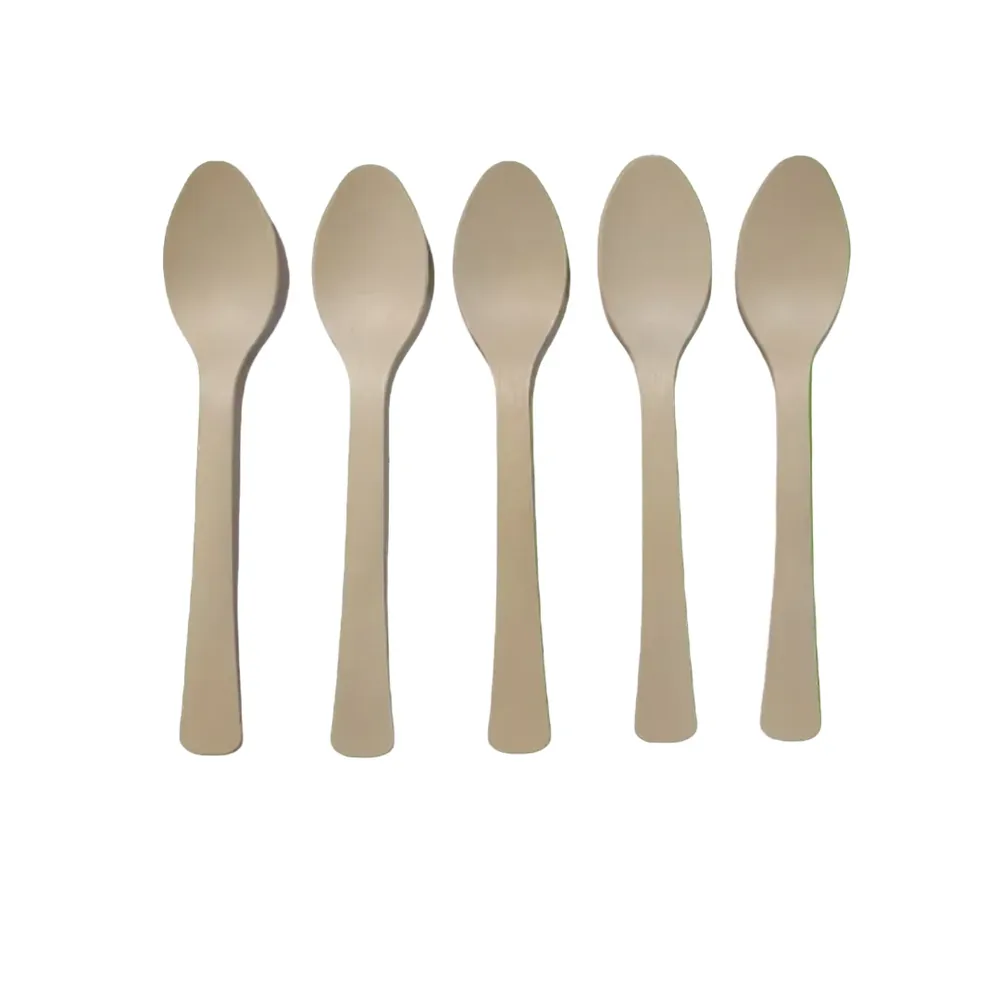
What is it?
Birch is a fast-growing, fine-grained hardwood that is strong for its weight. Our birchwood is FSC certified, traceable to responsibly managed forests.
How is it manufactured?
Logs are peeled into thin veneer, blanks are stamped out, shaped under heat and tumbled smooth, then sorted and counted. Tumbling removes the rough edges that make cheap wooden cutlery splinter, which is the failure most buyers have met before. No coating or bleach is applied.
Applications
Forks, knives, spoons, sporks, stirrers, taster spoons and cutlery kits with a napkin, loose or wrapped.
Performance
Rigid enough to cut through dense hot food without flexing. Not a microwave application.
Sustainability profile
FSC chain of custody from managed forest; a renewable timber crop that replaces plastic cutlery piece for piece.
End of life
Home compostable, approximately 90 to 180 days, as set out in our composting guide. Snap pieces in two to speed it up.
Certifications and standards
FSC Chain of Custody. Certificate copy on request.
Suitability
Takeaway and delivery cutlery, airline and rail catering, events, and retail cutlery packs.
Limitations
Wood, not plastic: there is a tactile difference customers notice. Imported raw material, so the origin advantage is lower than on the leaf lines.
Bollant products in this material
Birchwood cutlery sits in the Cutlery range, alongside CPLA, PP and PS for buyers comparing options. Each product page lists the case specification; request the SKU workbook for per-item figures.
Questions, answered
Common questions on this material are covered in the FAQ, and the composting guide sets out end-of-life routes material by material.