




Bamboo disposable tableware: what it is and where it fits
Skewers, chopsticks and picks cut from bamboo, a grass that regrows from its own roots after harvest.
What is it?
Bamboo is a grass rather than a tree. Some species grow close to a metre a day, and harvesting a cane does not kill the plant: it regrows from the same root system, so there is no replanting cycle.
How is it manufactured?
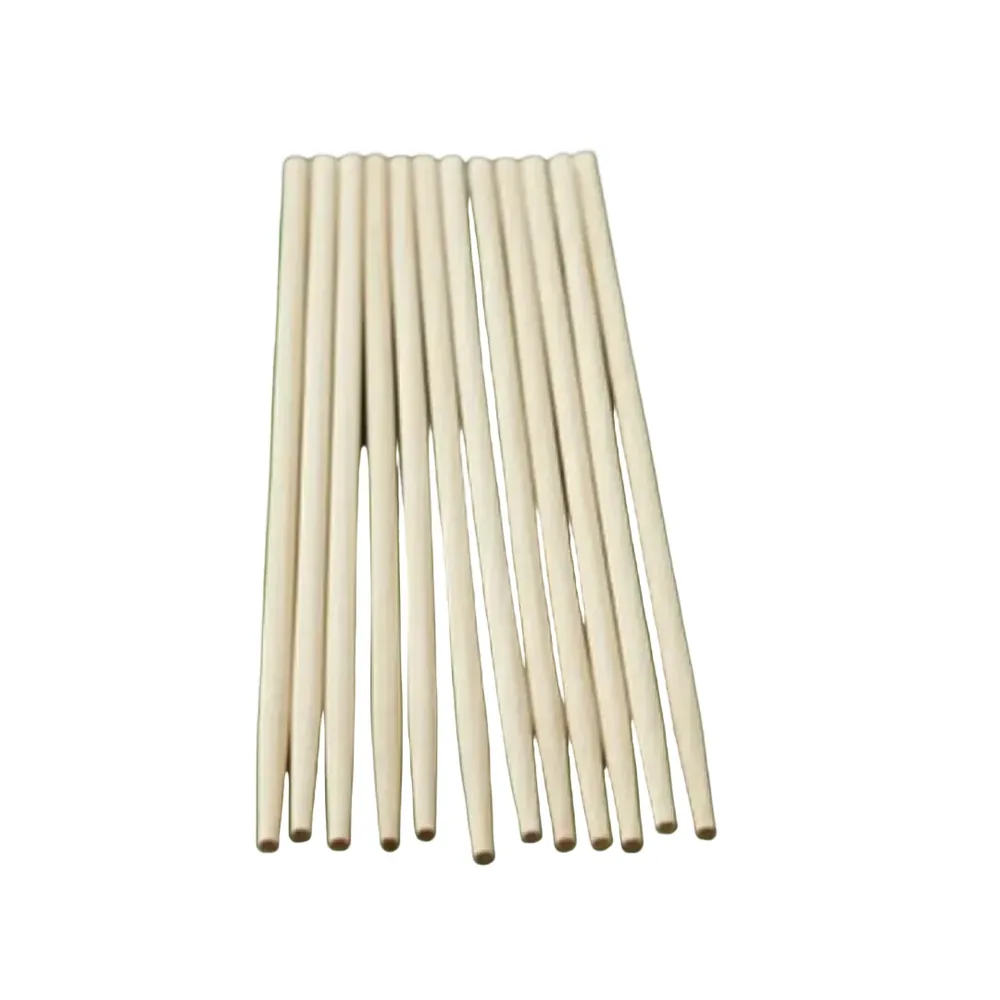
Canes are split into strips, then rounded, pointed and polished into skewers, chopsticks and picks. The dense fibre gives strength at a small diameter, so a thin skewer holds its line under a loaded kebab.
Applications
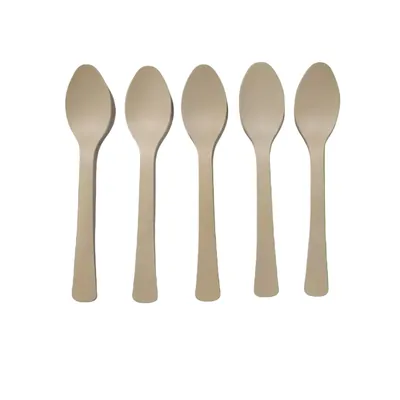
Skewers in several lengths and gauges, chopsticks and cocktail picks. Skewers suit kebabs, satay and fruit; picks suit canapés and garnishes.
Performance
Heat safe and structurally strong for its weight. Not a microwave application.
Sustainability profile
Among the fastest-regenerating raw materials available, harvested from plants that keep growing.
End of life
Home compostable, approximately 90 to 180 days, as set out in our composting guide. Slower than the leaf and fibre lines.
Certifications and standards
FSC where held. Certificate copy on request.
Suitability
Kebab and satay service, bar and beverage service, appetiser and canapé service, Asian food service and retail packs.
Limitations
Natural colour variation from cane to cane. Longer break-down time than the leaf or fibre lines.
Bollant products in this material
Bamboo skewers and chopsticks sit in the Cutlery range. Each product page lists the case specification; request the SKU workbook for per-item figures.
Questions, answered
Common questions on this material are covered in the FAQ, and the composting guide sets out end-of-life routes material by material.