





Start from what you sell each month, not from a catalogue. Get carton data before you compare prices, put bulky and dense lines together, and leave room for one or two trial lines. A mixed container lets a first order carry your whole list instead of one product.
Why mixed, and why first
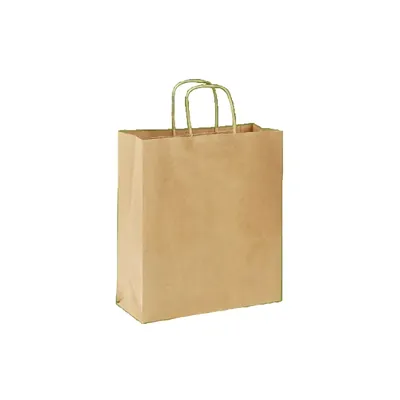
Most first-time importers have the same problem. They sell twenty or thirty lines, and no single line moves fast enough to fill a container on its own. Buying one line per container means either holding a year of stock or paying part-load freight on everything. A mixed container solves that by putting several ranges on one booking, one bill of lading and one set of documents. We load mixed containers across any of our 13 ranges, so plates, cups, cutlery, bags and foil can travel together.
The catch is that a mixed container needs more planning than a single-line one. Each line arrives in its own carton size, weight and pack count, and the plan only works if those figures are known before you commit.
Step one: your monthly usage
List every line you buy with the cases you sell or use in a typical month. Two to three months of usage is a sensible first container for most distributors and chains: enough to make the freight worthwhile, short enough that a slow line does not sit in your warehouse for a year.
If you are opening a new market rather than replacing a supplier, cut the forecast for untested lines and say so in your enquiry. We can plan them as top-up cartons rather than full rows, so a slow seller does not take space from a proven one.
Step two: carton data before price
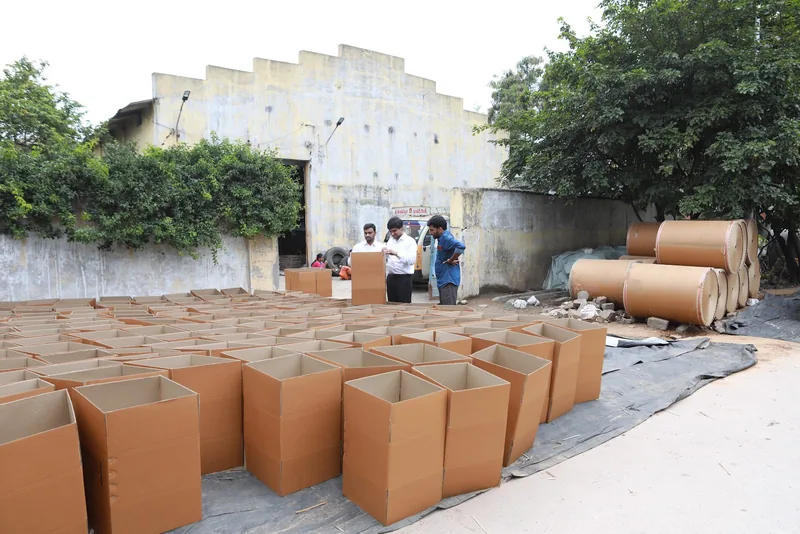
The figures that decide a container are carton dimensions, gross weight, units per carton and CBM (cubic metres per carton). Ask for them at quotation stage. A supplier who cannot give loading data cannot plan a container, and the utilisation loss lands on you.
As a guide, the planning figures we use for usable volume are about 28 CBM in a 20ft container, 58 CBM in a 40ft and 68 CBM in a 40ft high cube. Real loads come in under those numbers once carton shapes, pallets and door clearance are allowed for, so treat them as a ceiling rather than a target.
Step three: balance bulky and dense lines
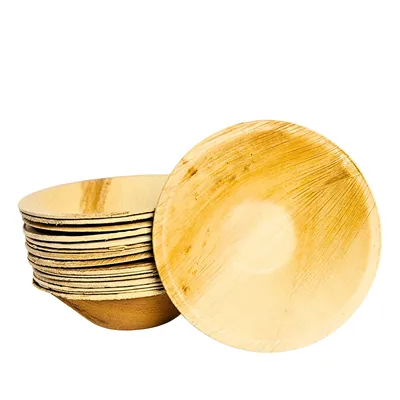
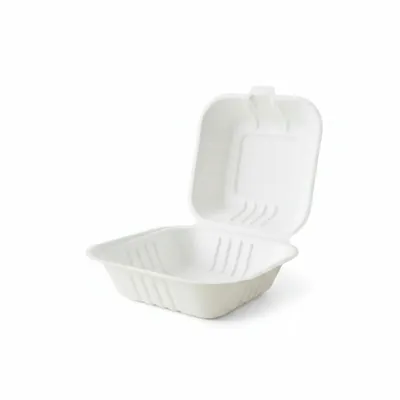
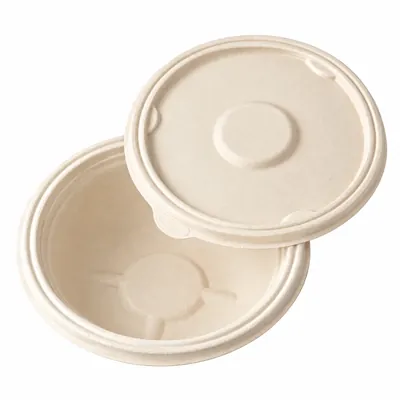
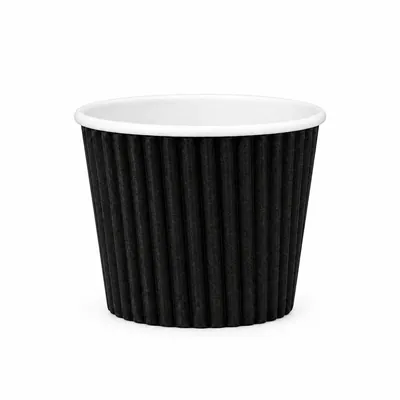
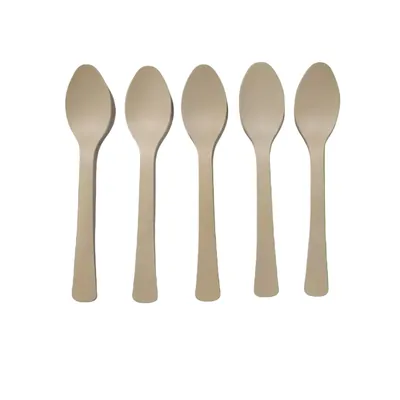
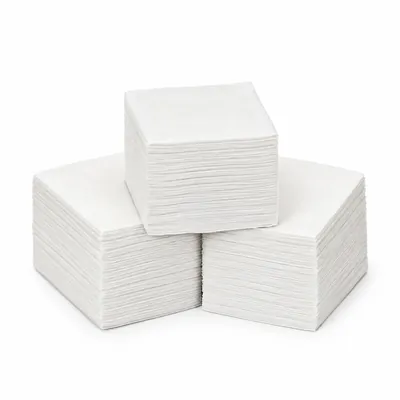
Cups, plates and clamshells take space but weigh little. Foil, napkins, cutlery and cleaning chemicals add weight without much volume. A container of only light, bulky lines fills its space long before its weight limit; a container of only dense lines can reach its weight limit with space left over. Mixing the two uses both. Light, bulky ranges are also the reason to consider a 40ft high cube, where the extra height adds volume for little extra cost.
| Line | Behaviour | Planning note |
|---|---|---|
| Plates, bowls and clamshells | Bulky and light | Fill volume; pair them with dense lines |
| Paper and plastic cups | Bulky and light; they nest | Pack counts per sleeve and carton change with size |
| Cutlery and napkins | Dense for their size | Useful to fill gaps and floor rows |
| Aluminium foil | Heavy | Check weight before volume |
| Cleaning chemicals | Heavy, liquid | Ask for safety data sheets before booking |
Step four: plan, then confirm
Our container calculator gives a first plan: pick products and carton counts and it shows how full a 20ft, 40ft or 40ft high cube gets. Send that plan with your destination port and we confirm a loading plan with the quotation. A 40ft container ships 30 days after receipt of the advance payment; printed or private-label lines have their lead time confirmed per design.
Price the result on a landed basis rather than on unit price. Our guide to landed cost from India lists what to include, and the wider method is in how to plan a mixed container.
Checklist before you send the order
- Monthly usage per line, in cases, with uncertain lines marked as trial lines.
- Carton dimensions, gross weight, units per carton and CBM for every line.
- Container size chosen against both volume and weight.
- Destination port and the Incoterm you want quoted.
- Labelling or language needs for your market, agreed before production.
- Samples of any line you have not used before, tested in your own operation.
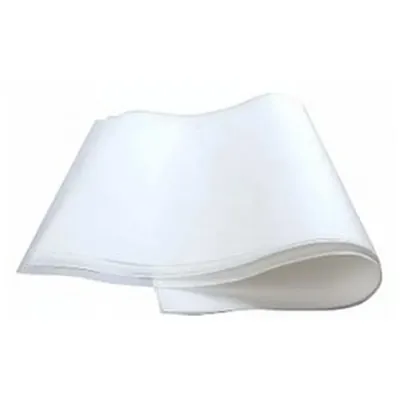
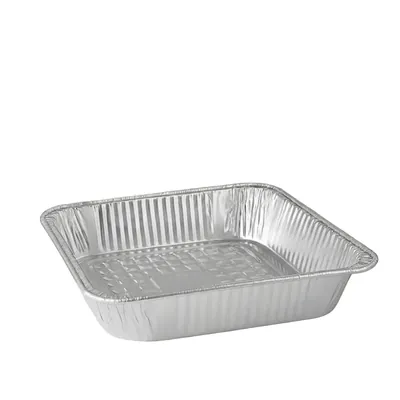
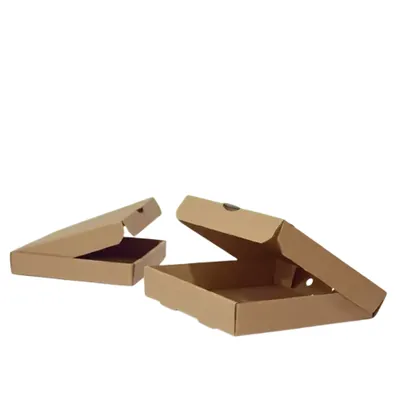
The ranges that most often share a first container are plates and bowls and cups, lids and straws, with cutlery, napkins and foil filling the gaps.