









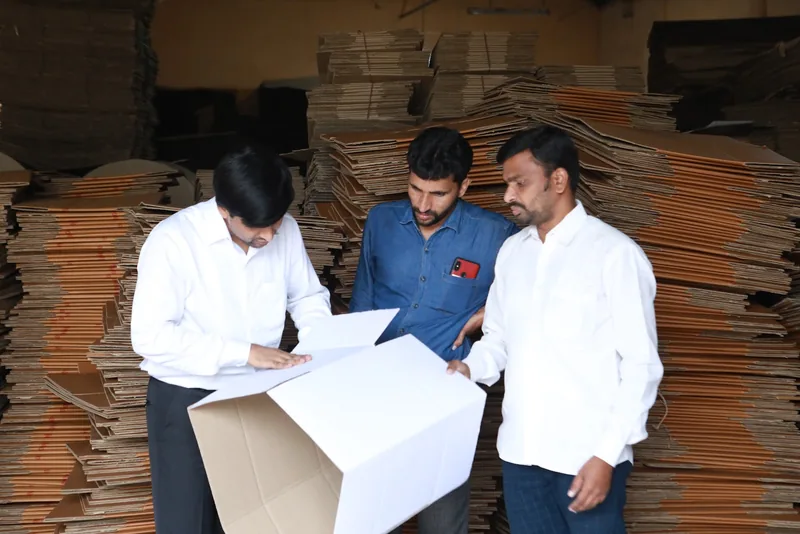
Before a container is sealed we check the goods against the agreed specification and reference sample, inspect by AQL sampling, check cartons and counts against the packing list, and load to the agreed plan. You receive the loading photographs, the seal number and the sailing schedule the same day.
Against the specification
Every line is made to a specification agreed with you: material, size, weight, print and pack. A signed reference sample for each line, the golden sample, is kept on file, and production is compared with it. Partner-made lines are inspected by our QC team in line and before shipment, to the same standard as our own plants. Product that fails does not ship under our name.
The specification is only as good as its detail. If a dimension, a weight or a print position matters to you, put a figure and a tolerance on it. A specification that says only "as sample" leaves both sides arguing about what the sample showed.
Product checks
Each export batch is checked for dimensional accuracy, moisture, structural load or rigidity, and finish. Food-contact compliance and batch traceability are part of the same record. Before every container closes, cartons are drawn by AQL sampling, a standard method that sets how many units to inspect from a lot of a given size and how many defects are acceptable, and the sample is inspected.
Carton and count checks
Cartons are checked against the packing list: product code, count per carton, carton marks and the number of cartons per line. Errors here cause more trouble at destination than product defects do, because the customs broker and the warehouse both work from the packing list. A carton marked with the wrong count is a problem for every person who touches it after the port.
What checks cannot do
Sampling finds problems in proportion to how often they occur; it does not guarantee that every unit in a container is perfect. That is why the reference sample and the specification matter so much: they make clear what counts as a defect before anyone opens a carton. It is also why the record matters. If a question comes up after delivery, the inspection result, the batch number on the carton and the loading photographs let both sides see what left the plant.
When goods arrive, check them against the packing list and photograph any damage before the cartons are moved. Tell us promptly with photographs of the cartons and the labels; confirmed damage and shortages are replaced or credited.
Loading and sealing
Cartons are loaded to the agreed loading plan, line by line, so a mixed container unloads in a sensible order. The loading is photographed. Where the destination requires it, wooden pallets carry ISPM-15 marking and phytosanitary and fumigation certificates are issued. The container is then sealed and the seal number recorded and sent to you.
| Check | When | Record |
|---|---|---|
| Against the reference sample | In line and before shipment | Inspection record |
| Dimensions, moisture, load, finish | Each export batch | Test report or certificate of analysis |
| AQL sampling | Before every container closes | Inspection result |
| Cartons, counts and marks | Before loading | Packing list |
| Loading to plan | During loading | Loading photographs |
| Seal | At closing | Seal number and sailing schedule, the same day |
Your own inspector
Third-party inspection at your cost is welcome on any order, and so are you. If your programme requires a pre-shipment inspection by a named agency, tell us when you place the order so the inspection is booked ahead of the loading date rather than delaying it. Agree the AQL level with us at the same time if your company uses a specific one.
- Specification and reference sample agreed for every line.
- AQL level agreed, if you have one.
- Packing list checked against your purchase order before loading.
- Third-party inspection booked in advance, if you need one.
- Loading photographs, seal number and sailing schedule received on the day.
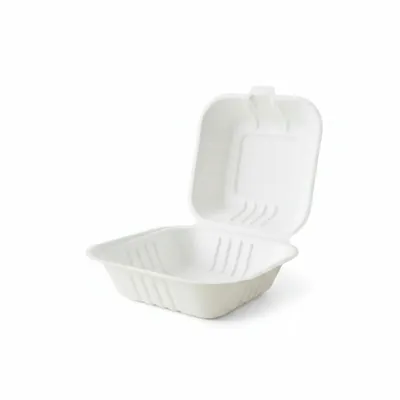
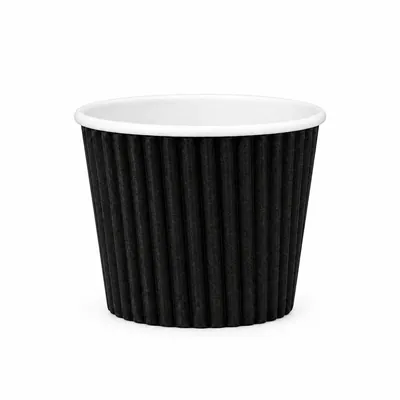
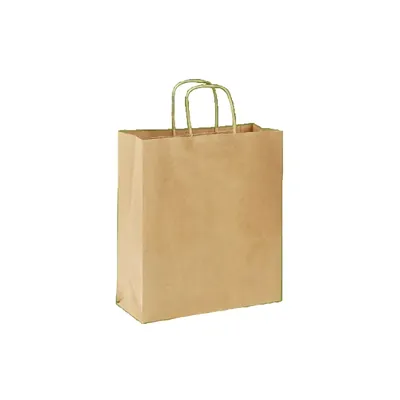
Our quality and compliance page lists the documents that travel with each order. The checks apply to every range in a mixed load, from cups, lids and straws to paper bags.